






Posted At: Mar 06, 2026 - 314 Views
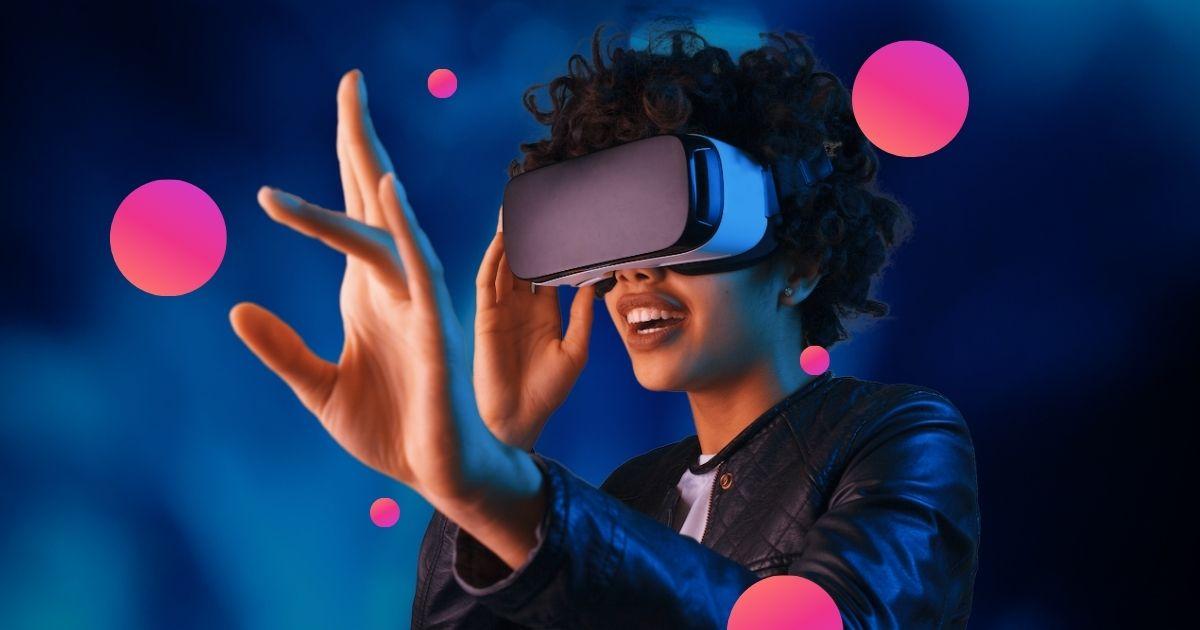
Science and STEM education have traditionally relied on hands-on laboratory experiences to help students understand complex concepts through experimentation. However, access to well-equipped laboratories is not always consistent across schools and institutions. Budget constraints, safety concerns, limited equipment, and scheduling challenges often restrict the depth and frequency of lab-based learning.
Virtual labs are emerging as a powerful solution to these challenges. By combining interactive simulations, cloud technology, and artificial intelligence, virtual laboratories allow students to perform experiments in digital environments that closely replicate real-world scientific processes.
For educators and institutions, virtual labs offer a scalable, accessible, and cost-effective way to enhance STEM learning while maintaining the essential element of experimentation.
What Are Virtual Labs?
Virtual labs are digital platforms that simulate laboratory experiments through interactive software environments. Students can perform experiments, manipulate variables, observe outcomes, and analyze results using a computer or mobile device.
These labs often incorporate technologies such as:
- Interactive simulations
- 3D modeling
- Real-time data visualization
- AI-based feedback systems
- Cloud-based collaboration tools
Organizations like Labster and PhET Interactive Simulations have pioneered virtual laboratory environments used by schools and universities worldwide.
Why Virtual Labs Are Gaining Popularity
Several factors are driving the adoption of virtual labs in STEM education:
Limited Physical Lab Access
Many schools, particularly in underserved regions, lack the infrastructure for advanced scientific experiments. Virtual labs provide access to complex experiments without requiring expensive equipment or specialized facilities.
Safety Considerations
Certain experiments involve hazardous chemicals, high temperatures, or delicate instruments. Virtual environments allow students to safely explore experiments that would otherwise be restricted in classrooms.
Remote and Hybrid Learning
The rapid expansion of digital learning has increased demand for remote laboratory experiences. Virtual labs enable students to conduct experiments from anywhere while maintaining the core principles of scientific inquiry.
Cost Efficiency
Equipping a physical laboratory can require significant investment in equipment, maintenance, and materials. Virtual labs reduce these costs while offering unlimited practice opportunities.
Key Benefits of Virtual Labs
1. Interactive and Experiential Learning
Virtual labs transform theoretical concepts into interactive experiences. Instead of simply reading about chemical reactions or physical laws, students can manipulate variables and observe real-time outcomes.
This hands-on interaction strengthens conceptual understanding and encourages curiosity-driven exploration.
2. Unlimited Experimentation
In physical labs, experiments are often limited by time, resources, or material availability. Virtual labs allow students to repeat experiments multiple times, explore alternative outcomes, and test hypotheses freely.
This iterative process reinforces scientific thinking and experimentation skills.
3. Immediate Feedback and Assessment
Advanced virtual lab platforms provide real-time feedback as students conduct experiments. AI-powered systems can identify mistakes, guide learners through procedures, and provide performance analytics.
Educators can also track student progress and identify learning gaps more effectively.
4. Accessibility and Inclusivity
Virtual labs make STEM education more accessible to students regardless of geographic location or institutional resources. Students with disabilities or mobility challenges can also participate in laboratory experiences that might otherwise be difficult in traditional settings.
5. Exposure to Advanced Scientific Equipment
Virtual labs can simulate expensive equipment such as electron microscopes, particle accelerators, or genetic sequencing tools that most schools cannot afford.
Students gain familiarity with professional-grade tools that are used in real research environments.
Applications Across STEM Disciplines
Biology
Virtual labs allow students to explore cellular processes, genetic experiments, and microbiology techniques. Simulated environments enable learners to observe processes like DNA replication or enzyme reactions at a microscopic level.
Chemistry
Students can conduct chemical reactions, analyze compounds, and practice titration experiments without handling dangerous substances. The ability to visualize molecular interactions enhances conceptual understanding.
Physics
Virtual physics labs simulate motion, electricity, magnetism, and energy systems. Students can test variables and visualize physical laws in action.
Engineering and Robotics
Engineering-focused virtual labs allow learners to design circuits, build mechanical systems, and simulate real-world engineering challenges.
Integration with Modern Learning Platforms
Virtual labs are increasingly integrated with Learning Management Systems (LMS), allowing educators to:
- Assign experiments as coursework
- Track student performance
- Provide automated grading
- Combine labs with digital lessons and assessments
This integration supports blended learning models that combine classroom instruction with digital experimentation.
Challenges and Considerations
While virtual labs offer many advantages, they are most effective when used alongside traditional laboratory experiences.
Limited Physical Interaction
Hands-on manipulation of real equipment remains an important aspect of scientific training. Virtual labs should complement—not completely replace—physical labs when possible.
Technology Access
Successful implementation requires reliable internet access and compatible devices, which may still be a barrier for some institutions.
Teacher Training
Educators must be trained to effectively integrate virtual labs into lesson plans and learning objectives.
The Future of Virtual Laboratories
Advances in artificial intelligence, virtual reality, and cloud computing are rapidly expanding the capabilities of virtual labs.
Future virtual laboratory environments may include:
- Fully immersive VR lab environments
- AI-driven lab assistants
- Real-time global collaboration among students
- Integration with digital twins of real scientific equipment
These innovations will further blur the line between physical and digital experimentation.
Final Thoughts
Virtual labs are transforming the way science and STEM subjects are taught. By making experimentation more accessible, interactive, and scalable, they help ensure that all students—regardless of location or resources—can engage in meaningful scientific discovery.
As education continues to evolve in the digital age, virtual laboratories will play an increasingly important role in preparing the next generation of scientists, engineers, and innovators.