





Posted At: Mar 21, 2026 - 238 Views
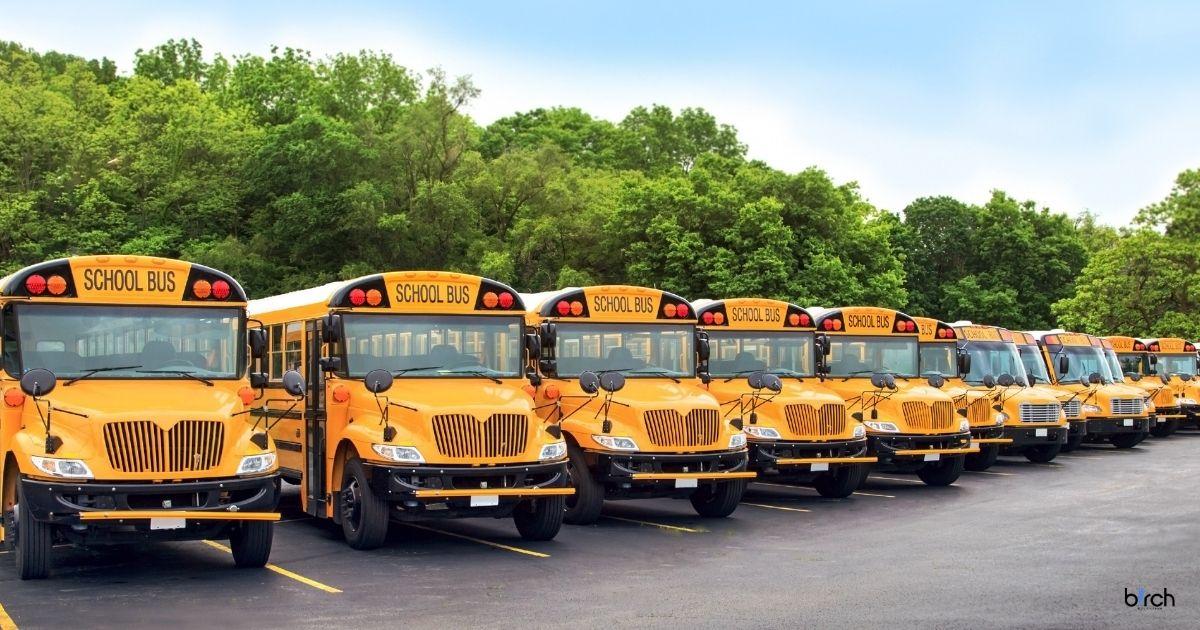
Student transportation is one of the most critical and complex operations for school districts across the United States. With millions of students relying on school buses daily, ensuring safety, efficiency, and reliability is a top priority. Artificial intelligence is transforming how school districts design and manage bus routes, enabling safer journeys, faster travel times, and lower operational costs.
The Challenges of Traditional School Bus Routing
Conventional routing methods often rely on manual planning or static systems, leading to inefficient routes, longer travel times, traffic delays, higher fuel costs, limited visibility, and safety risks. These challenges impact students, parents, and school administrators alike.
How AI Optimizes School Bus Routes
AI-powered routing systems use advanced algorithms and real-time data to design smarter transportation networks.
Data-Driven Route Optimization
AI analyzes multiple data points such as student addresses, traffic patterns, road conditions, and historical performance to generate shorter, faster, and safer routes automatically.
Dynamic Routing and Real-Time Adjustments
Unlike static routing systems, AI continuously adapts by adjusting routes based on live traffic, rerouting during delays, and optimizing pickup and drop-off sequences. This ensures on-time arrivals and reduced disruptions.
Improving Safety Through AI
Safety remains the top priority in school transportation, and AI significantly enhances it.
Real-Time GPS Tracking
Schools and parents can monitor buses in real time, receive alerts for delays or route deviations, and gain better visibility into transportation operations.
Student Tracking and Attendance
Technologies such as RFID or QR-based systems track student boarding and drop-offs, ensuring accountability and reducing the risk of missed pickups.
Safer Route Selection
AI systems help avoid high-risk roads, minimize unnecessary stops, and ensure safer driving routes while monitoring compliance.
Advanced Safety Technologies
AI-enabled cameras and sensors can detect unsafe driving behavior, monitor compliance, and predict maintenance needs to prevent breakdowns.
Boosting Efficiency and Reducing Costs
AI-driven routing improves operational efficiency and reduces costs.
Reduced Fuel and Operational Costs
Optimized routes reduce distance traveled, lower fuel consumption, and decrease maintenance and labor costs.
Improved On-Time Performance
AI enhances punctuality by minimizing delays and improving route planning, leading to more reliable transportation services.
Shorter Commute Times for Students
By optimizing routes, AI reduces travel time, minimizes student fatigue, and improves overall well-being.
Enhancing Experience for Parents and Schools
AI improves communication and transparency across the transportation system.
Better Communication
Parents receive real-time notifications about bus arrivals and delays, while administrators and drivers stay connected through integrated systems.
Increased Parent Trust
Real-time visibility and improved safety measures increase confidence in school transportation systems.
Data-Driven Decision Making
Analytics dashboards provide insights into route performance, ridership, and efficiency, enabling continuous improvement.
Environmental Benefits
AI-optimized routing supports sustainability by reducing fuel consumption, lowering emissions, and minimizing unnecessary travel. It also supports the transition to electric school buses and greener operations.
Integration with School ERP Systems
When integrated with School ERP platforms, transportation systems become part of a unified ecosystem. Schools can manage routes, track students, monitor attendance, and generate reports from a single platform, improving coordination and efficiency.
Challenges and Considerations
Successful implementation requires accurate data, proper staff training, and ongoing system monitoring. Schools must also ensure data privacy and comply with U.S. regulations when handling student information.
The Future of School Transportation
AI will continue to evolve with capabilities such as real-time autonomous routing, integration with smart city infrastructure, advanced predictive analytics, and optimized management of electric fleets.
Conclusion
AI-optimized school bus routing is transforming student transportation by making it safer, faster, and more efficient. By improving safety, reducing costs, and enhancing reliability, AI is helping U.S. school districts modernize a critical operation and deliver better outcomes for students and families.