






Posted At: Mar 30, 2026 - 266 Views
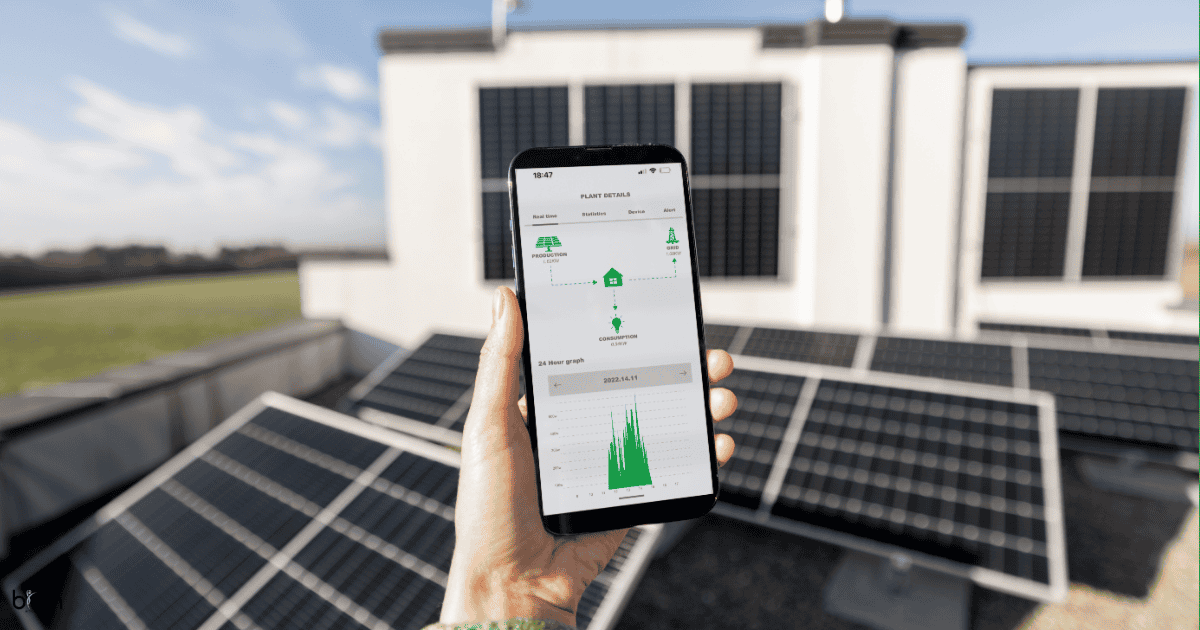
Schools today are under increasing pressure to do more with less—reduce operational costs, improve sustainability, and create safer, more efficient environments for students and staff. While digital transformation has touched classrooms through EdTech, a quieter revolution is happening behind the scenes: AI-powered smart infrastructure.
Smart schools are leveraging Artificial Intelligence (AI) to monitor and optimize energy consumption, water usage, and facility management—turning campuses into intelligent, responsive ecosystems.
Why Smart Infrastructure Matters in Schools
Educational institutions are resource-intensive environments:
- High electricity usage (lighting, HVAC, labs)
- Significant water consumption (restrooms, cafeterias, landscaping)
- Complex facility operations (maintenance, safety, space utilization)
Traditional systems are reactive—problems are addressed after they occur. AI flips this model to predictive and proactive management.
1. AI for Energy Management
Energy is one of the largest operational costs for schools. AI enables real-time monitoring and optimization.
How It Works:
- IoT sensors collect data from classrooms, lighting, and HVAC systems
- AI analyzes usage patterns across time, weather, and occupancy
- Systems automatically adjust energy consumption
Key Use Cases:
- Smart HVAC Control: Adjust temperature based on room occupancy
- Lighting Optimization: Turn off lights in unused areas
- Peak Load Management: Reduce consumption during high tariff periods
Impact:
- 15–30% reduction in energy costs
- Lower carbon footprint
- Improved comfort for students and staff
2. AI for Water Monitoring and Conservation
Water scarcity is becoming a global concern, and schools are ideal environments for implementing smart conservation strategies.
How It Works:
- Sensors track water flow, pressure, and usage
- AI detects anomalies such as leaks or overuse
- Predictive models forecast demand and optimize supply
Key Use Cases:
- Leak Detection: Identify hidden leaks before they escalate
- Usage Analytics: Monitor consumption by area (cafeteria, restrooms)
- Automated Irrigation: Adjust watering based on weather and soil data
Impact:
- 20–40% reduction in water wastage
- Faster response to infrastructure issues
- Increased sustainability awareness among students
3. AI-Driven Facility Management
Managing school facilities is complex—from maintenance to safety. AI brings intelligence into everyday operations.
How It Works:
- Data from cameras, sensors, and maintenance logs are analyzed
- AI predicts failures and automates workflows
- Digital dashboards provide real-time visibility
Key Use Cases:
- Predictive Maintenance: Fix equipment before it breaks
- Space Optimization: Track classroom usage and optimize scheduling
- Safety Monitoring: Detect unusual activity or hazards
Impact:
- Reduced downtime and repair costs
- Better utilization of school infrastructure
- Enhanced safety and compliance
4. The Role of IoT + AI + Cloud
Smart schools are powered by a combination of technologies:
- IoT (Internet of Things) → Collects real-time data
- AI/ML Models → Analyzes patterns and predicts outcomes
- Cloud Platforms → Centralizes data and enables scalability
Together, they create a digital twin of the school—allowing administrators to monitor and manage operations from a single interface.
5. Benefits Beyond Cost Savings
While cost reduction is a major driver, the impact goes much deeper:
Sustainability Leadership
Schools become models for environmental responsibility
Educational Value
Students learn from real-world sustainability practices
Data-Driven Decision Making
Administrators gain actionable insights instead of relying on guesswork
Improved Learning Environment
Optimized lighting, temperature, and facilities enhance student performance
6. Challenges to Consider
Despite the benefits, implementation requires thoughtful planning:
- Initial Investment: Sensors, infrastructure, and AI systems
- Data Privacy & Security: Especially with surveillance systems
- Integration Complexity: Legacy systems may need upgrades
- Change Management: Training staff and aligning stakeholders
The key is to start small—pilot programs in select areas before scaling.
7. The Future of Smart Schools
The next evolution will go even further:
- AI systems that self-learn and continuously optimize
- Integration with renewable energy sources like solar
- Autonomous campuses with minimal manual intervention
- Cross-campus benchmarking using shared data networks
Smart schools will not just be efficient—they will be adaptive, sustainable, and intelligent ecosystems.
Conclusion
AI is no longer just transforming classrooms—it’s redefining how schools operate at a foundational level. By integrating AI into energy, water, and facility management, institutions can significantly reduce costs, improve sustainability, and create better environments for learning.
The schools that embrace this shift today will not only save resources but also prepare students for a future where intelligence is embedded in every system around them.