





Posted At: Mar 20, 2026 - 264 Views
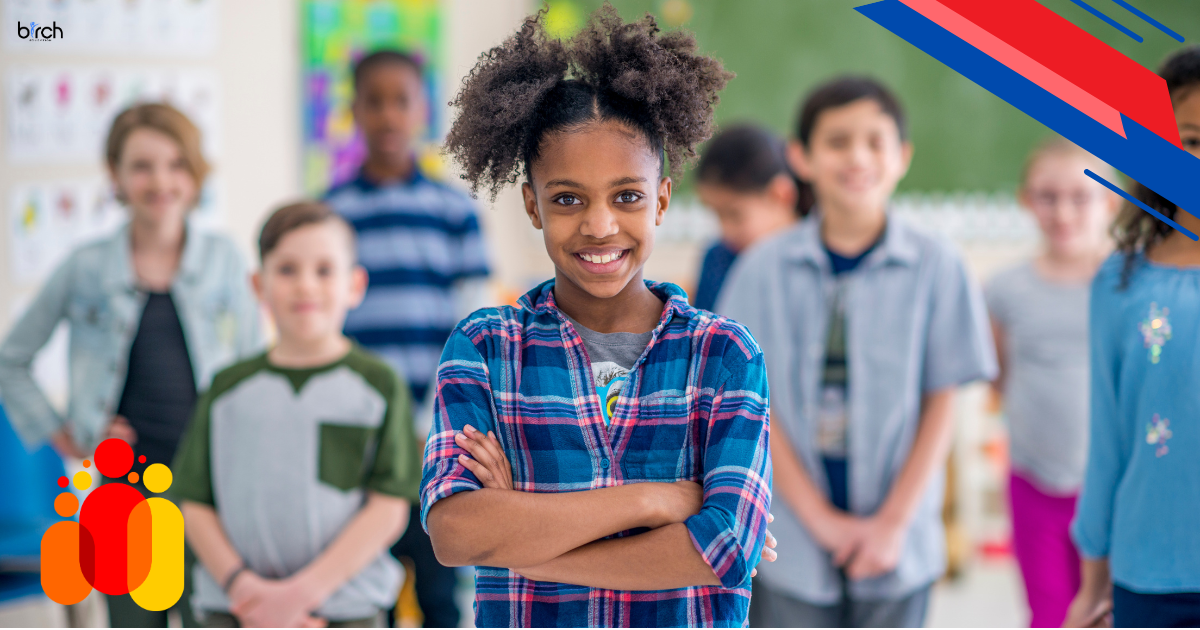
In today’s fast-changing world, academic knowledge alone is not enough. U.S. schools are increasingly focused on developing communication, collaboration, and leadership skills—the core competencies students need for college, careers, and life.
Artificial intelligence is emerging as a powerful tool to support this shift, helping educators deliver personalized, real-time, and scalable skill development beyond traditional classroom methods.
Why Communication and Leadership Skills Matter
Employers across the United States consistently rank soft skills among the most critical qualities for success. Students need to be able to:
- Communicate ideas clearly and confidently
- Collaborate with diverse teams
- Think critically and make decisions
- Lead projects and take initiative
However, these skills are often difficult to teach and assess using conventional approaches.
How AI Is Transforming Skill Development
AI enables schools to move from one-size-fits-all instruction to personalized and interactive learning experiences that actively build communication and leadership abilities.
Personalized Communication Coaching
AI-powered tools can analyze:
- Speech patterns and clarity
- Tone, pacing, and confidence
- Writing structure and grammar
Students receive instant feedback on presentations, essays, and discussions, helping them continuously improve.
Real-Time Feedback in Practice Scenarios
AI can simulate real-world situations such as:
- Job interviews
- Group discussions
- Classroom debates
Students practice communication in a safe environment and receive immediate, actionable insights.
AI-Driven Collaboration Tools
AI enhances group work by:
- Tracking participation levels in team activities
- Suggesting ways to improve collaboration
- Identifying leadership behaviors within teams
This ensures every student is engaged and developing teamwork skills.
Building Leadership Skills with AI
Leadership is not just about managing others—it’s about decision-making, accountability, and influence. AI helps nurture these traits in students.
Scenario-Based Leadership Training
AI can create dynamic simulations where students:
- Make decisions in complex situations
- Manage virtual teams or projects
- Experience consequences of their choices
This builds critical thinking and leadership confidence.
Data-Driven Skill Assessment
AI provides insights into:
- Participation and engagement levels
- Decision-making patterns
- Communication effectiveness
Educators can identify emerging leaders and provide targeted support.
Personalized Growth Pathways
Each student receives a customized development plan based on:
- Strengths and weaknesses
- Learning pace
- Behavioral insights
This ensures continuous improvement in leadership capabilities.
Integration with LMS and School Systems
When integrated into Learning Management Systems (LMS), AI enhances skill development across the student journey.
- Tracks communication and leadership progress over time
- Aligns activities with curriculum goals
- Provides dashboards for teachers and administrators
- Enables data-driven interventions
This creates a holistic system for soft skill development.
Benefits for U.S. Schools
Scalable Skill Development
AI allows schools to deliver personalized coaching to large numbers of students without increasing staff workload.
Objective Assessment
Reduces bias in evaluating communication and leadership skills through data-driven insights.
Increased Student Engagement
Interactive and adaptive learning experiences keep students motivated.
College and Career Readiness
Students graduate with skills that align with workforce expectations in the U.S.
Challenges and Considerations
Data Privacy and Ethics
Schools must ensure compliance with student data protection regulations and maintain transparency.
Teacher Training
Educators need support to effectively integrate AI tools into teaching practices.
Balancing Technology and Human Interaction
AI should enhance—not replace—human mentorship and real-world experiences.
The Future of Student Skill Development
AI will continue to evolve, enabling:
- More advanced simulations and role-playing environments
- Real-time analysis of group dynamics
- Deeper personalization of learning experiences
As these technologies mature, U.S. schools will be better equipped to develop well-rounded students who are not only academically strong but also effective communicators and leaders.
Conclusion
AI is redefining how communication and leadership skills are taught in schools. By providing personalized feedback, real-world simulations, and data-driven insights, it empowers students to develop essential life skills in a structured and scalable way.
For U.S. education systems, this represents a major opportunity to prepare students for the demands of the modern workforce—where the ability to communicate, collaborate, and lead is just as important as academic achievement.