






Posted At: Mar 14, 2026 - 293 Views
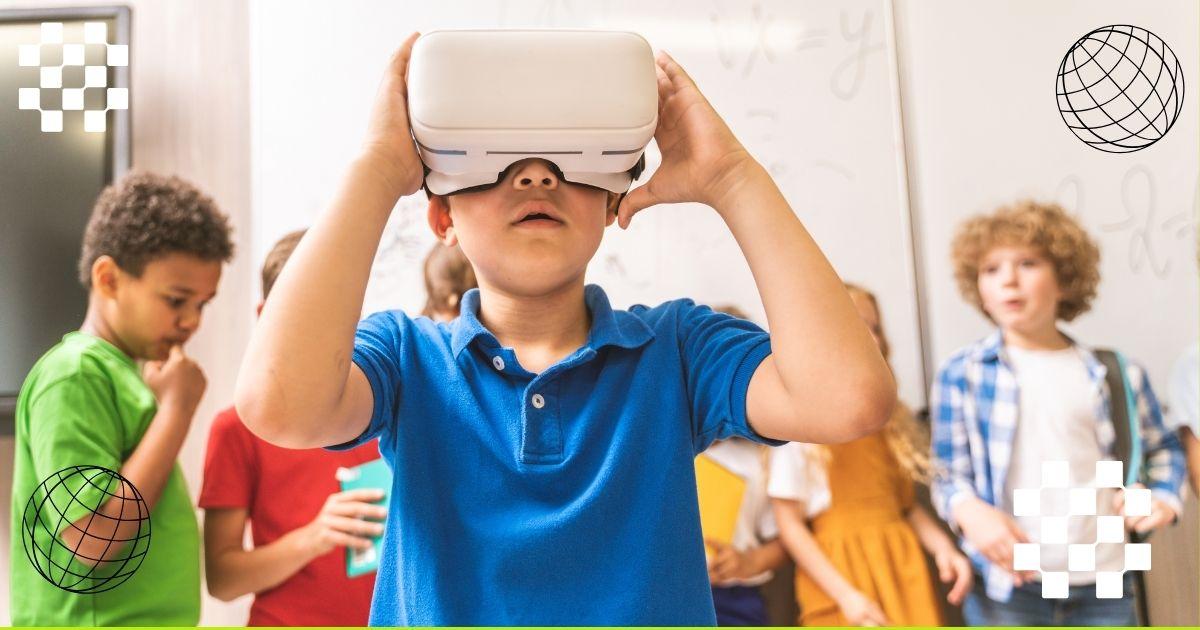
The way we learn is evolving faster than ever. From chalkboards to online classrooms, education has continuously adapted to new technologies. Now, the next major leap is emerging through the Metaverse—a digital universe where learners can interact, explore, and collaborate in immersive virtual environments. Metaverse learning is transforming education from passive content consumption into an interactive, experiential journey. Instead of simply reading about concepts, students can experience them firsthand in simulated worlds.
What is Metaverse Learning?
The Metaverserefers to interconnected virtual spaces where people interact through avatars using technologies such as Virtual Reality, Augmented Reality, and Mixed Reality.
In education, this means students can attend virtual classrooms, conduct simulations and experiments, collaborate with peers globally, and explore historical events or scientific environments in 3D. Learning becomes experiential rather than theoretical.
Why Metaverse Learning Matters
Traditional online learning improved accessibility but still relies heavily on videos, PDFs, and quizzes. The Metaverse introduces presence and interaction, which dramatically improves engagement and retention.
Immersive Learning Experiences
Students can walk through ancient cities, travel inside the human body, or explore outer space. Instead of imagining concepts, they can interact with them in real time.
Higher Student Engagement
Interactive 3D environments capture attention far more effectively than traditional digital content. Gamified experiences encourage participation and make learning enjoyable.
Experiential Learning
Students learn by doing rather than memorizing. Hands-on simulations allow them to experiment, make mistakes, and learn through discovery.
Global Collaborative Classrooms
Students from different countries can meet in shared virtual spaces, work on projects together, and learn from diverse perspectives.
Personalized Learning Paths
AI-powered avatars and digital tutors can adjust lessons based on each student’s pace, strengths, and learning style.
Access to Otherwise Impossible Experiences
Students can explore space stations, ancient civilizations, underwater ecosystems, or complex engineering environments that would be impossible to visit physically.
Improved Knowledge Retention
Studies show that immersive learning environments improve memory retention because students associate knowledge with interactive experiences.
Cost-Effective Practical Training
Schools can simulate laboratories, field trips, and expensive equipment without the high costs of physical infrastructure.
Real-World Skill Development
Metaverse platforms allow students to practice teamwork, communication, and problem-solving skills in realistic digital environments.
Continuous Learning Environments
Virtual campuses can operate 24/7, allowing students to revisit lessons, collaborate after class, and access learning resources anytime.
Real-World Applications of Metaverse Learning
The Metaverse is already being used in several educational scenarios.
Virtual Science Labs
Students can perform chemistry experiments in virtual labs without worrying about dangerous chemicals or expensive equipment.
Medical Training
Medical students can practice surgeries using hyper-realistic simulations before entering real operating rooms.
Historical Exploration
History lessons can become immersive experiences where students walk through ancient civilizations or witness key moments in time.
Corporate Training
Companies are using metaverse platforms for onboarding, leadership training, and technical skill development. Organizations such as Meta Platforms, Microsoft, and NVIDIAare investing heavily in immersive technologies that support education and collaboration.
Benefits for Special Education
One of the most promising impacts of metaverse learning is in special education. Immersive environments can be tailored to meet the unique needs of students with different learning abilities.
Personalized Learning Environments
Virtual classrooms can be customized based on a student’s learning style, pace, and specific educational needs.
Reduced Social Anxiety
Students who struggle with social interaction may feel more comfortable participating through avatars in virtual environments.
Visual and Interactive Learning
Many students with learning differences benefit from visual cues, interactive activities, and experiential learning rather than traditional lectures.
Safe Practice for Real-Life Skills
Students can practice real-world tasks such as shopping, crossing streets, or workplace interactions in safe simulated environments.
Multi-Sensory Learning
Metaverse platforms combine visuals, sounds, and interaction, helping students better understand complex concepts.
Flexible Learning Pace
Students can repeat lessons, revisit environments, and practice skills without pressure from classroom time constraints.
Increased Motivation and Participation
Gamified and immersive environments encourage students to stay engaged and motivated throughout the learning process.
Improved Focus and Attention
Interactive environments can reduce distractions and help students remain focused on specific learning tasks.
Enhanced Communication Skills
Virtual environments allow students to practice communication and collaboration with peers in structured scenarios.
Inclusive Education Opportunities
Metaverse learning environments can be designed with accessibility features that ensure students with different abilities can participate equally.
The Future of Metaverse Education
The metaverse will not replace traditional classrooms but will enhance and expand them. Students may attend hybrid classes combining physical and virtual environments, learn complex subjects through interactive simulations, and collaborate with peers from around the world. As immersive technology continues to evolve, the metaverse could become one of the most powerful tools for experiential learning and skill development.
Final Thoughts
Metaverse learning represents a shift from content-based education to experience-based education. By blending immersive technology with pedagogy, educators can create engaging learning environments that inspire curiosity, creativity, and deeper understanding. The classroom of the future may not be limited by walls—it could exist anywhere in the world, or even beyond it.